Betsy Brandenburg
CKBD | Interior Designer | Educator | Founder of Designer Sanity|
Creator of the Design Roadmap System | KBDN Innovator
Betsy Brandenburg is an interior designer, educator, and creator of the Design Roadmap System.
She began her career working in commercial interior design, where she gained early experience with structured project processes, documentation, and collaboration with architects and contractors. She later transitioned into residential design and went on to run her own successful design studio for more than twenty years.
Over the course of her career, Betsy has worked across the full scope of residential projects, including:
• furnishings and interiors
• kitchens and baths
• whole-home remodels
• multi-million dollar custom new construction homes
Through those decades of experience, she developed a deep understanding of the complexity of interior design projects and the many roles designers are expected to manage.

Designers must balance creativity with project management, client relationships, contractor coordination, budgets, timelines, and hundreds of decisions along the way.
Yet most designers are never taught how to structure and manage this complexity.

A Short Origin Story
Betsy often shares the story of a difficult project that became the catalyst for creating the Design Roadmap System.
Although the design itself was beautiful, the project felt chaotic behind the scenes. Communication with the client and contractor broke down, expectations were unclear, and the experience left everyone frustrated.

That project forced Betsy to rethink how she was managing her work. She began developing a clear structure for her projects — mapping out each phase, defining responsibilities, and creating Systems to guide communication and decisions.
Those Systems eventually evolved into what is now known as the Design Roadmap System.
When Betsy implemented the System in her own studio, the impact was immediate. Projects became calmer, communication improved, and the constant pressure she had been carrying began to ease.
At that time, Betsy was already experiencing adrenal fatigue and burnout from years of working in a reactive, high-stress environment. The Design Roadmap System helped her regain control of her workload and slowly rebuild her energy and health.
While the System transformed her own business, it also revealed something even more important.
If designers learned these tools earlier in their careers, many of the stress-related health issues and burnout that are common in the profession could be prevented.
That realization is what drives Betsy’s work today.
Teaching What She Wishes She Had Learned
Through Designer Sanity, Betsy teaches the Systems she wishes she had learned earlier in her own career — tools that help designers organize their process, communicate clearly with clients and contractors, and lead projects with confidence.
Her work focuses on helping designers build businesses that support both their creativity and their well-being.
Betsy shares this work in three ways:
Coaching Designers
Through the Design Roadmap System and one-on-one mentoring, Betsy helps designers create clear systems for managing their projects so they can reduce chaos and focus on the creative work they love.
Teaching
Betsy teaches professional practice in the interior design program at Portland Community College, helping students learn practical tools for managing projects and running successful design businesses early in their careers.
Speaking to the Industry
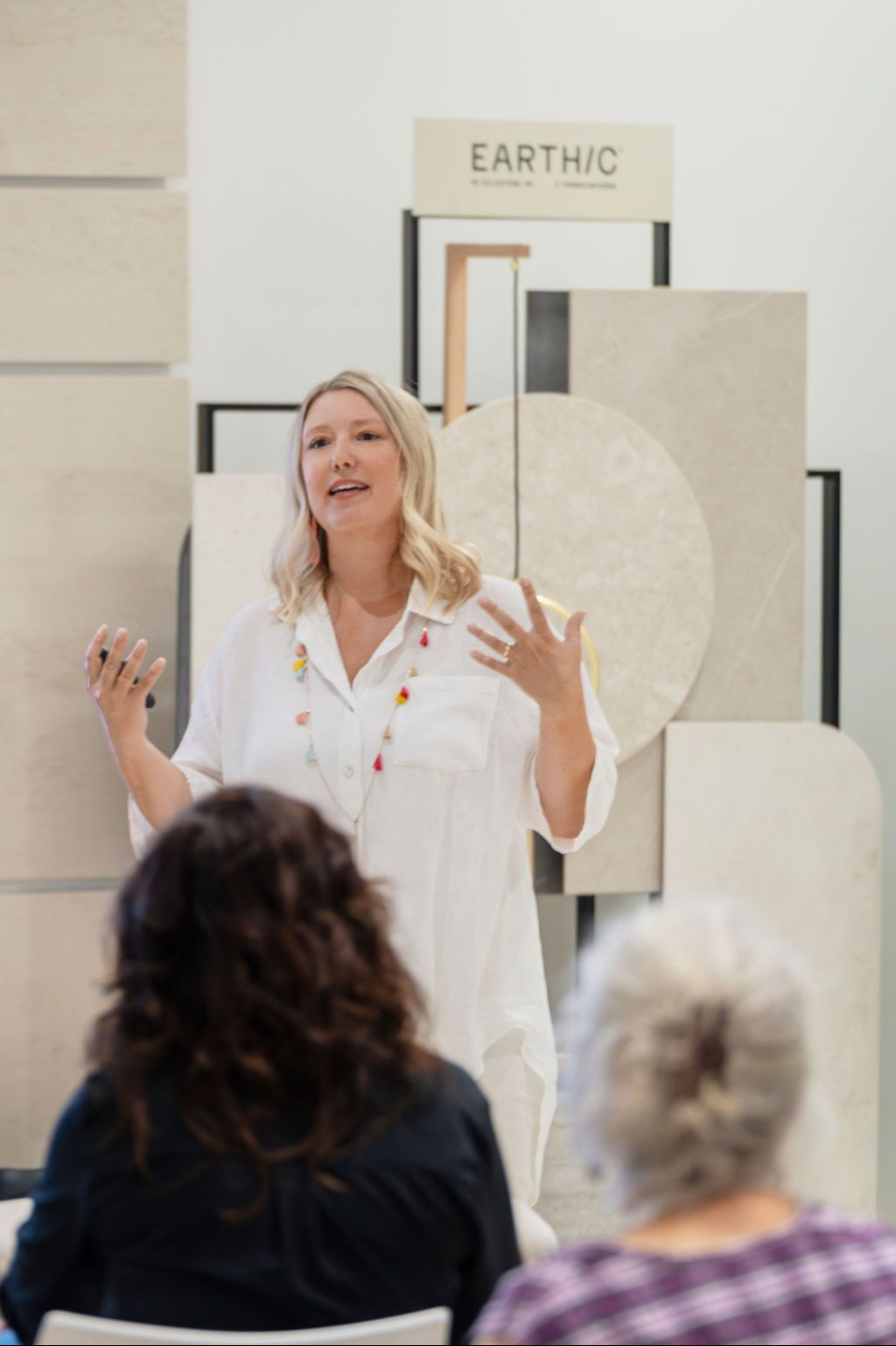
Betsy regularly speaks to design organizations and professional groups about project organization, business systems, and building more sustainable careers in interior design.

Why This Work Matters
Interior design should be a creative and rewarding profession — not one that leads to burnout, stress-related illness, or constant overwhelm.
Through Designer Sanity, Betsy helps designers build Systems that protect their energy, support their creativity, and allow them to lead projects with clarity and confidence.
The goal isn’t just better businesses.
It’s healthier, more sustainable careers for designers.
And ultimately, helping designers experience the joy of their profession without sacrificing their health, creativity, or lives outside of work.