
The Process Path

A calm, practical way to plan your work — without pressure, hustle, or burnout

You don’t need another productivity method.
You don’t need more ideas.
And you definitely don’t need more urgency.

You need a clear, humane way to plan your projects so you can lead your work with confidence — and stop carrying everything in your head.

That’s what the Process Path is for.

Schedule a Discovery Call

What the Process Path Is

The Process Path is a simple, grounded approach to planning design work that brings clarity, calm, and follow-through back into your business.

It helps you:

  • Get your projects out of your head and onto paper

  • See what actually needs to happen — and when

  • Set realistic timelines without overpromising

  • Lead clients and projects with more confidence

  • Stop reacting and start working from a plan

This isn’t about doing more.

It’s about working from clarity instead of chaos.

The Core of the Process Path:

The Design Roadmap 

At the heart of the Process Path is a simple but powerful framework I call the Design Roadmap.

Every project that runs smoothly — on time, on budget, without stress — has all three parts of the Design Roadmap working together.

The Three Parts of the Design Roadmap

1. Task List

Answers: "What are we going to do?"

 Your clear, milestone-based process — from kickoff to completion — designed around how you actually work. 

2. Time Estimates

 Answers: "How long is it going to take?"

 Realistic time frames based on capacity, not wishful thinking or pressure from others. 

3. Target Dates

 Answers: "When is it going to happen?"

 Your plan, placed onto a real calendar — including vacations, life, and client availability.

 When all three live together, in one clear view, something important happens:

  • Decisions are made ahead of time
  • Expectations are visible
  • Progress becomes measurable
  • Stress drops — because nothing is floating in your head

 This is what most systems miss.

They separate these elements across tools, software, and documents — which means no one actually uses them.

The Design Roadmap brings them together in one simple, visual plan that you, your team, your client, and your GC can all understand at a glance.

Why this Works

The Design Roadmap is not:

  • A rigid step-by-step system you must follow perfectly or everything falls apart
  • A daily task list or project management app
  • Yet another tech platform you have to subscribe to, learn and maintain
  • A plan you make once and never touch again

The Design Roadmap is:

  • A high-level, easy-to-understand milestone-based view of each project
  • Flexible enough to adjust as real life happens
  • Easy to update — because it’s meant to be used in real life
  • Clear enough to replace constant explanations and interruptions - it speaks for you so clients understand and you can focus.

The Result?

Instead of reacting to whoever is loudest, you follow this week’s plan — already decided, already aligned.

That’s where calm comes from.

A Quick Origin Story

I didn’t set out to invent a framework.

About 13 years into running my design practice, I created a simple roadmap for a whole-house project — and for the first time ever, I came in on time, on budget, and without stress.

Only later did I realize why.

That project accidentally included all three sides of the triangle:

  1. A complete Task List
  2. Realistic Time Estimates
  3. Clear Target Dates

Once I started using this approach consistently, something unexpected happened:

Most of the problems in my business (and the ones I hear from designers over and over) — client confusion, GC pressure, team bottlenecks, burnout — simply stopped showing up.

Not because I worked harder.

Because the plan did.

Two Ways to Walk the Process Path

There is one path — but two ways to move through it, depending on how much support you want.

Accelerated

1:1 Coaching with Betsy

This is for designers who want the Design Roadmap System implemented quickly, correctly, and in real projects.

Together, we:

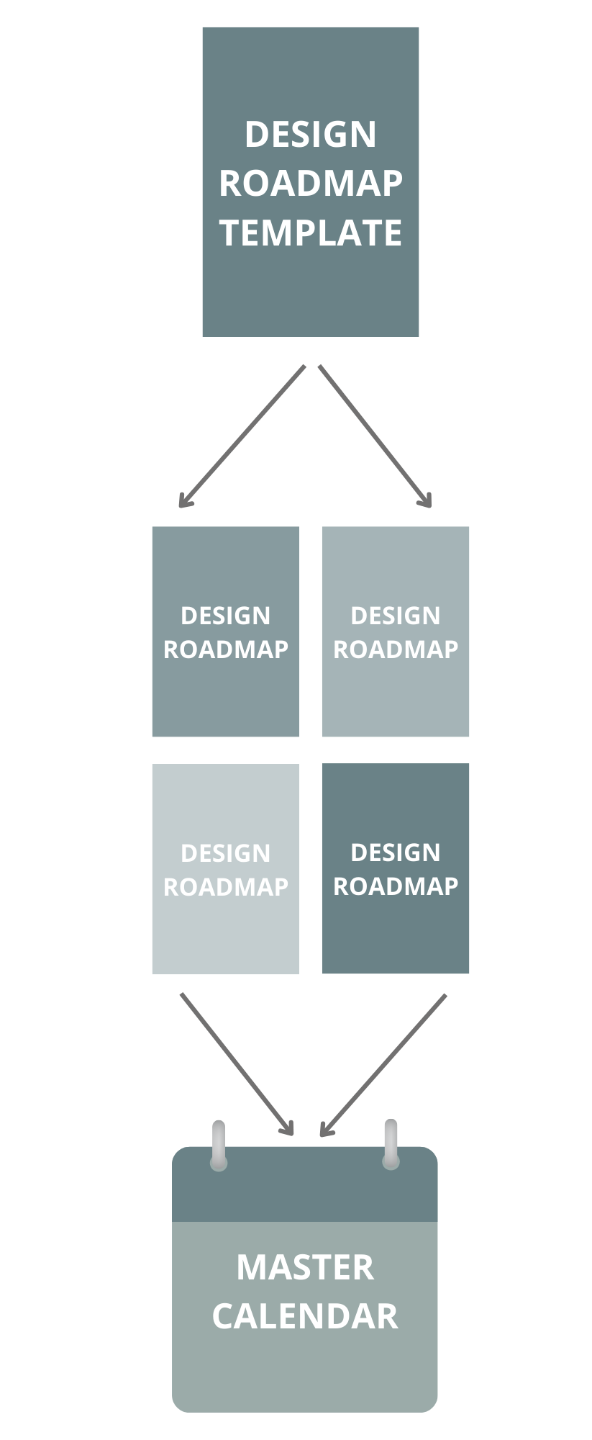
  • Build your Design Roadmap templates
  • Apply them to active projects
  • Set up your Master Calendar around the actual time and energy you have
  • Integrate business planning alongside project planning
  • Remove friction points as they arise

Most designers start here because it:

  • Saves months (or years) of trial and error
  • Eliminates second-guessing

  • Removes homework — the work happens together

  • Creates clarity and momentum quickly

Same Process Path.
More proximity.
More personalization.

Learn more about 1:1 coaching with Betsy

Gentle Support + Maintenance 

Design Roadmap Course + Designer Sanity Circle

This is great way to walk the Process Path if you're confidently self-directed.

You learn the Design Roadmap at your own pace — and you’re supported as you begin using it in real projects.

This path includes:

  • The Design Roadmap Course — a self-paced course that teaches you how to create and use your Design Roadmap

  • Designer Sanity Circle (6 months included) — light, steady support as you put the system into practice

Designer Sanity Circle provides:

  • Ongoing guidance as you use the system in real projects

  • Group support, coworking, and shared language with other designers

  • Space to refine and adjust over time as your business evolves

This is where the Design Roadmap sticks.

Your systems quietly become a habit — and a calmer way of working starts to feel normal.

Learn more about the Design Roadmap Course + Designer Sanity Circle

Who the Process Path Is For

 The Process Path is a strong fit if you:

  • Want clarity without rigidity
  • Value calm over constant urgency
  • Are ready to stop holding everything in your head
  • Want systems that adapt to your life — not override it
  • Know you don’t need more ideas, you need follow-through

 You don’t need to be overwhelmed to benefit.

 You just need to want things to feel simpler, steadier, and more intentional.

Your Next Step

 Whether you have more question or are ready to move forward, the next step is a conversation with Betsy.  No sales pitch, just clarity about what support would serve you best right now. 
Schedule a Discovery Call